The Army Is Cutting Training Now — Schools Canceled, Flight Hours Gutted, Readiness at Risk
Internal Army documents reviewed by ABC News and confirmed by multiple U.S. officials reveal a budget crisis hitting the force right now — not at the end of the fiscal year, not in the next budget cycle. Schools are being canceled. Flight hours are being gutted to legal minimums. And the Army’s own internal planning documents acknowledge that units heading into next year’s deployments will do so at a degraded level of readiness.
The Army is facing a $4–6 billion budget shortfall in FY26 and is cutting training across the force to close the gap before 30 September. Confirmed cuts include cancellation of the Army Sapper Course, an artillery course at Fort Campbell, and pilot flight hours slashed to mandatory minimums across III Armored Corps. Internal documents warn it will take a full year to rebuild combat proficiency once funding is restored.
What’s Happening and Why
The Army entered FY26 with a widening set of operational demands it was not fully funded to cover. According to officials familiar with internal planning documents, the shortfall stems from several compounding factors running simultaneously: the ongoing Iran war, the expanded southern border security mission, National Guard deployments including a sustained D.C. presence, ballooning personnel costs, and the Army covering down on missions tied to the 76-day DHS shutdown — expenses the service expects to be reimbursed for but hasn’t been yet.
Fuel costs are accelerating the problem. The standard fuel price for military operations jumped from $154 to $195 per barrel, which directly drives up the cost of every large-scale training exercise, every flight hour, and every convoy. The Army’s spokesperson, Col. Marty Meiners, acknowledged the situation in a public statement: the service is “taking all necessary measures to prioritize critical readiness and operational requirements, ensuring we operate responsibly within our currently enacted funding levels.” What that looks like in practice is cuts — and they are landing now, months before the fiscal year ends on 30 September.
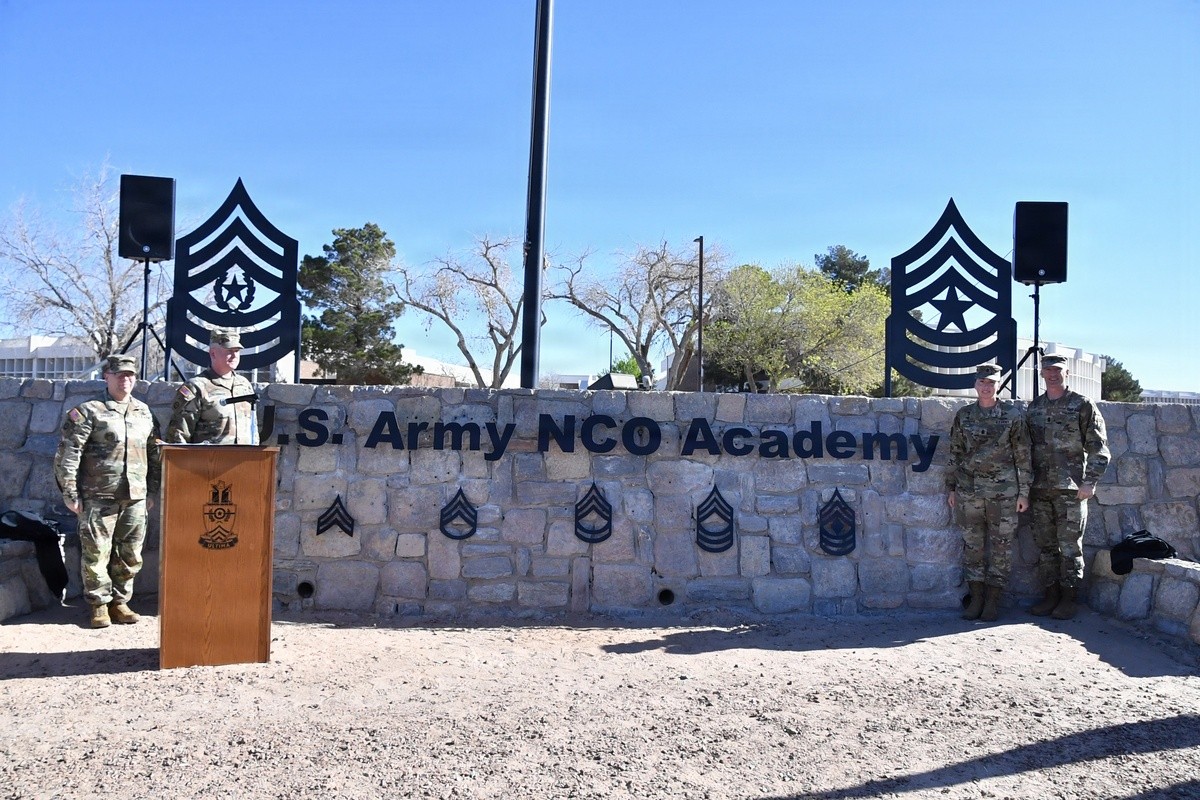
Professional military education courses are among the first casualties of the budget crunch — seats are disappearing mid-cycle.
What Is Confirmed Cut
The cuts confirmed by officials and internal documents span from elite schools down to unit-level training events:
| What | Status | Impact |
|---|---|---|
| Army Sapper Course | Canceled | Premier combat engineering school; seats lost for the cycle |
| Artillery course, Fort Campbell | Abruptly canceled | Called off days before start date |
| III Armored Corps budget | Cut ~50% | Covers nearly half of Army combat power — 70,000 Soldiers |
| Aviation flight hours | Gutted to minimums | Pilots flying only what federal law requires — nothing more |
| Unit-level training events | Under audit | Commands scrutinizing how many Soldiers they can afford to train |
Source: ABC News, internal Army documents, May 2026.
Officials note that pulling back on training at the very end of the fiscal year is normal — the Army does this every year as budgets tighten in August and September. What is not normal is cuts this sweeping, this early. This is happening in May.
III Armored Corps Is Taking the Brunt
III Armored Corps — the umbrella formation for the Army’s heavy armor and cavalry units at Fort Hood — is bearing the heaviest load. The corps commands roughly 70,000 Soldiers and represents close to half of the Army’s total combat power. An internal planning document outlining the consequences of funding cuts warns that aviation units within the corps will deploy next year at a lower state of readiness, and explicitly flags the risk of career stagnation for the mid-level officers who would normally be running key training events.
The Document Says It Will Take a Full Year to Recover
The internal III Corps plan doesn’t soften the language. Aviation units go into their next deployment cycle at degraded readiness. Mid-grade officers miss the training events that build their competency and their record. And the projection for how long it takes to rebuild after funding is restored is twelve months — assuming funding is restored.
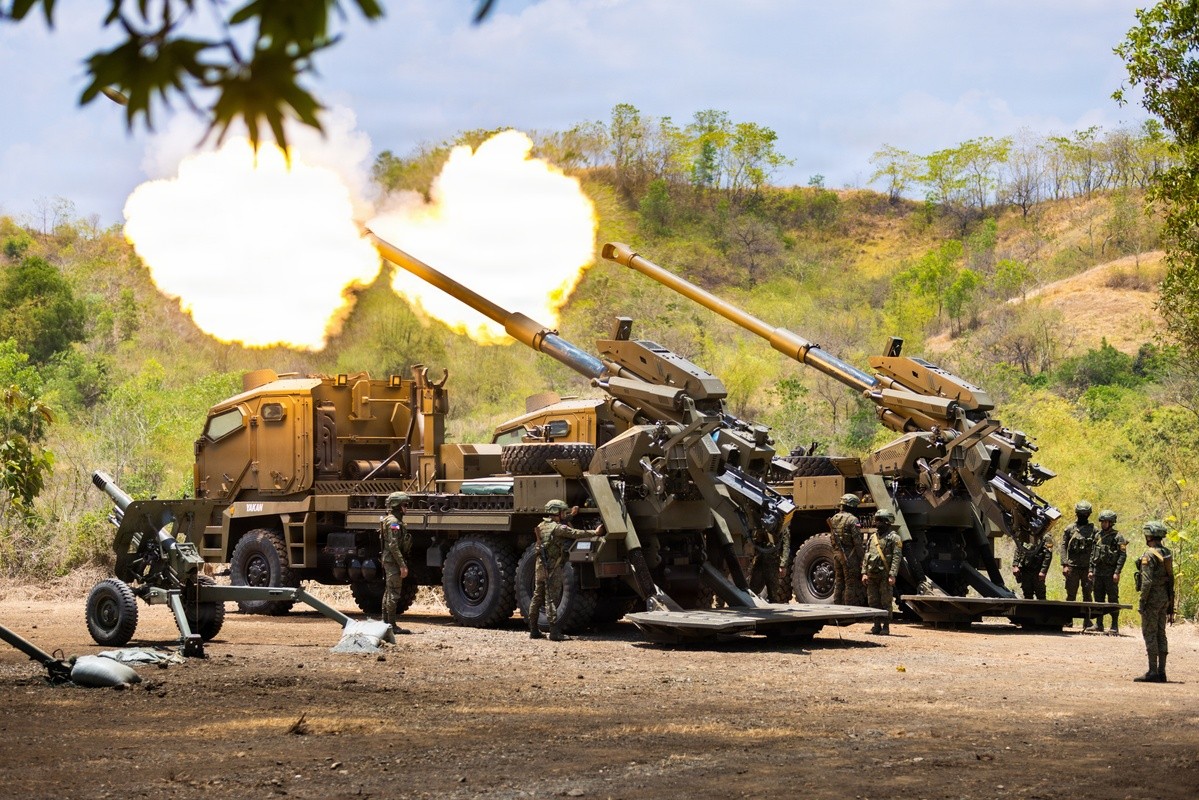
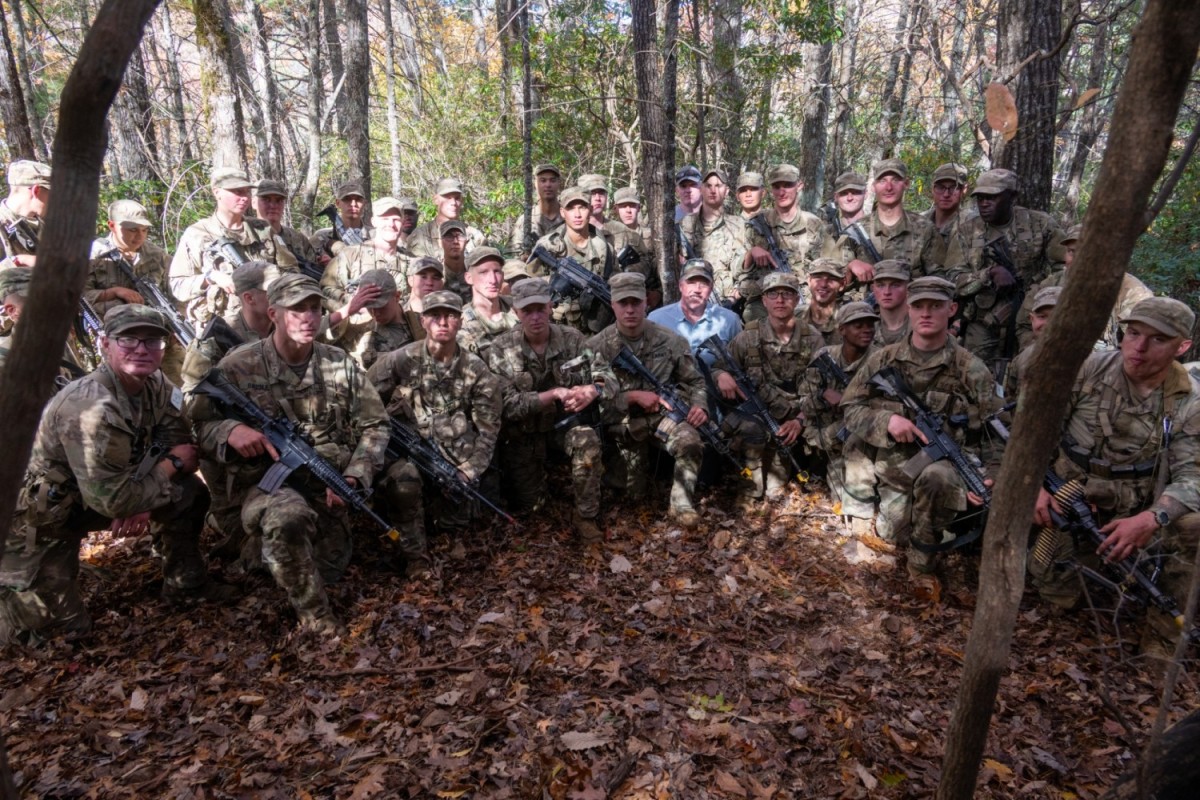
Live fire and combined arms training events are among the first to go when budgets collapse — the consequences compound over time.
The Army Transformation Initiative Layer
Running underneath the immediate budget crunch is a longer-term structural shift: the Army Transformation Initiative. ATI, directed by SecDef in April 2025, is redesigning how the Army is organized, equipped, and trained. Among the structural changes already underway: reducing one Aerial Cavalry Squadron per Combat Aviation Brigade in the Active Component, merging Army Futures Command with TRADOC, and converting FORSCOM into Western Hemisphere Command.
The ATI cuts to aviation structure and the FY26 budget cuts to flight hours are hitting at the same time — a double squeeze on Army aviation that Congress has already flagged. Lawmakers pushed back on ATI in the FY26 NDAA markup, noting the Army had not provided sufficient analysis or a clear vision for what the force looks like in 2030 and beyond. And as recently as last week, Hegseth himself acknowledged the initiative may need revision: some elements of ATI, he said, needed “another look.”
What This Means for Soldiers Right Now
If you had a school seat scheduled between now and 30 September, verify it is still active. Cuts are hitting mid-cycle and some cancellations are happening with very short notice — the Fort Campbell artillery course was called off days before it was set to begin. Don’t assume your orders are valid until you confirm with your unit S3.
If you are in a combat aviation unit under III Corps, your chain of command is already aware of the flight hour reductions. Those cuts affect currency, proficiency, and — for pilots building time toward ratings and evaluations — career timelines. That conversation needs to happen at your level now, not after the fact.
For mid-grade officers and senior NCOs who would normally be running training events: the internal documents name career stagnation as a direct risk. If your event is canceled, document it. Talk to your rater. The missed opportunity needs to be addressed in your evaluation narrative so boards understand the context.
The BOLO List
Cancellations are happening fast and without much warning. If you are projected to attend any functional course, professional military education, or specialty school between now and 30 September, contact your S3 or training NCO immediately and confirm your seat is still valid. Do not wait for official notification — it may not come before your report date.
If a key training event — a rotation, a school, a live fire, a JRTC or NTC slot — is canceled due to budget, that needs to be captured somewhere in your record. A board seeing a blank space in your record doesn’t know the event was cut by higher. Get with your rater now and make sure the context is in your eval or your OER support form before the window closes.
Your 3 Action Items
- Confirm your school seat — Contact your S3 or training NCO today if you have any course scheduled before 30 September. Cancellations are happening mid-cycle with short notice. Verbal confirmation is not enough — get it in writing.
- Brief your Soldiers — If you are a leader, your formation needs to know that training events may be cut without warning. Set expectations now so Soldiers aren’t blindsided by cancellations that affect their career timelines.
- Document what gets cut — For leaders and NCOs whose training events are canceled: capture it in your OER support form, counseling records, and evaluation narrative. Boards need context. Give it to them proactively.
This is a developing situation — the Army has not released a public list of canceled courses and the DoD has declined to say whether cuts are Army-only or broader. We will update this article as more information becomes available. Have information about cuts hitting your unit or installation? Post it in the News & Policy Updates forum — the formation benefits from knowing what’s happening on the ground.